'After 15 Years in Practice, I Finally Understand Why Most Oil of Oregano Supplements Fail — And What I Recommend Instead'
A physician's investigation into the $1.6 billion natural-immunity industry reveals two things the most popular oregano oils leave out. Here's what she found.


The way you feel by 4pm tells you more about your immune health than you'd think.
For the past three years, something has been quietly bothering me.
I'd watch patients come into my practice — busy parents, retirees, teachers, people in their 40s, 50s, 60s — all of them doing what they thought was right. Eating reasonably well. Trying to sleep. And dutifully taking the immune or "gut health" supplement a friend, an influencer, or a pharmacy shelf had recommended.
And yet, time and again, I was seeing the same pattern: for most of these people, the supplement wasn't actually doing anything. They believed in it. They were spending $30–$50 a month on it. But they were still catching every bug that went around, still bloated after meals, still dragging by mid-afternoon.
So last spring, after one too many of these conversations, I decided to do something about it. I went back through the files of more than 200 patients I'd worked with over the past five years and looked at what was actually moving the needle — and what wasn't. The numbers were sobering: only about 30% saw a real difference from the immune and digestive supplements they were taking.
What I found genuinely changed how I practice. A 54-year-old patient named Diane was the case that pushed me to dig deeper — and this is what I learned over the following six months.
"I'd been recommending the same kind of formula for years without ever really questioning what was — or wasn't — on the label. Diane was the wake-up call."

Reason 1: Your Immune System Is Under More Pressure Than Ever Before
Here's something most people don't realize: the average adult's immune defenses and gut balance are taking more hits today than at any point in modern history.
Why? A combination of factors. Ultra-processed food has quietly hollowed out the gut microbiome — and roughly 70% of your immune system lives in your gut. Chronic low-grade stress keeps cortisol elevated, which suppresses immune function. Add rounds of antibiotics, poor sleep, and constant exposure in crowded offices, planes, and schools — and you have a perfect storm for a worn-down, reactive immune system.
The cruel part is the feedback loop. A weakened gut barrier lets in more of what shouldn't get in, the body responds with chronic inflammation, the inflammation further disrupts the gut, and your resilience erodes faster and faster.
It's a cycle. And once it starts, it accelerates. The only meaningful intervention is to support the gut barrier and immune terrain directly — and to do it consistently, before you're constantly playing catch-up.
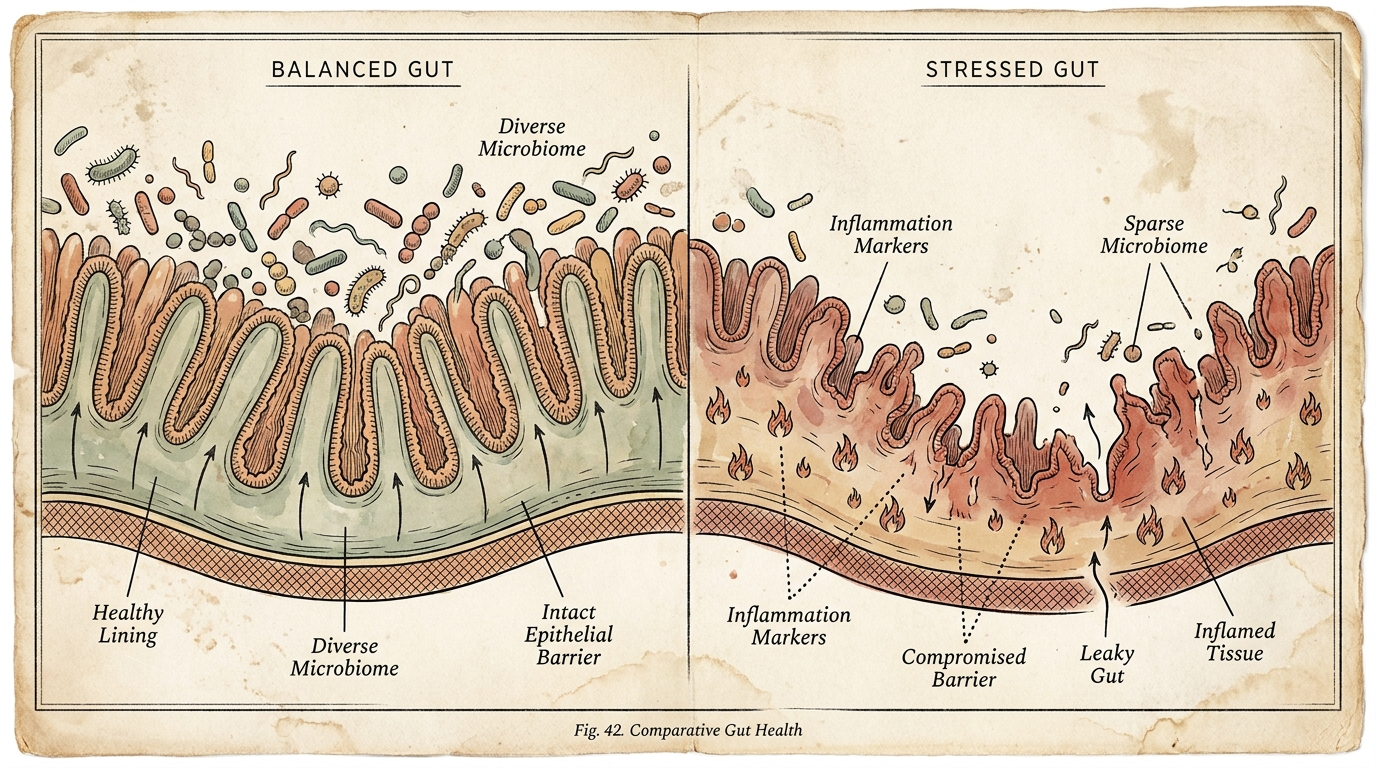
A balanced vs. an inflamed, depleted gut lining.
Reason 2: Your Go-To Cold & Pain Remedies Have Hidden Long-Term Costs
I'm going to say something that might surprise you, coming from a physician: I have real reservations about how casually we reach for antibiotics and long-term over-the-counter painkillers (ibuprofen, naproxen) for every sniffle and ache.
Don't misunderstand me — these are important tools with a legitimate place in medicine. But using a course of antibiotics for what is almost certainly a viral cold, or living on daily NSAIDs for low-grade aches, is — in my professional opinion — like using a sledgehammer where a finishing nail will do.
The Hidden Cost of Reaching for the Sledgehammer
- Each unnecessary antibiotic course wipes out beneficial gut bacteria — the very thing your immunity depends on
- Long-term NSAID use is linked to gut-lining damage and GI bleeding
- Antibiotic resistance that limits your options when you genuinely need them
- A gut that gets a little less resilient each time
Just because something is available over the counter doesn't make it harmless long-term. For everyday immune and gut resilience, I now firmly believe we should be supporting the body's own defenses first.†
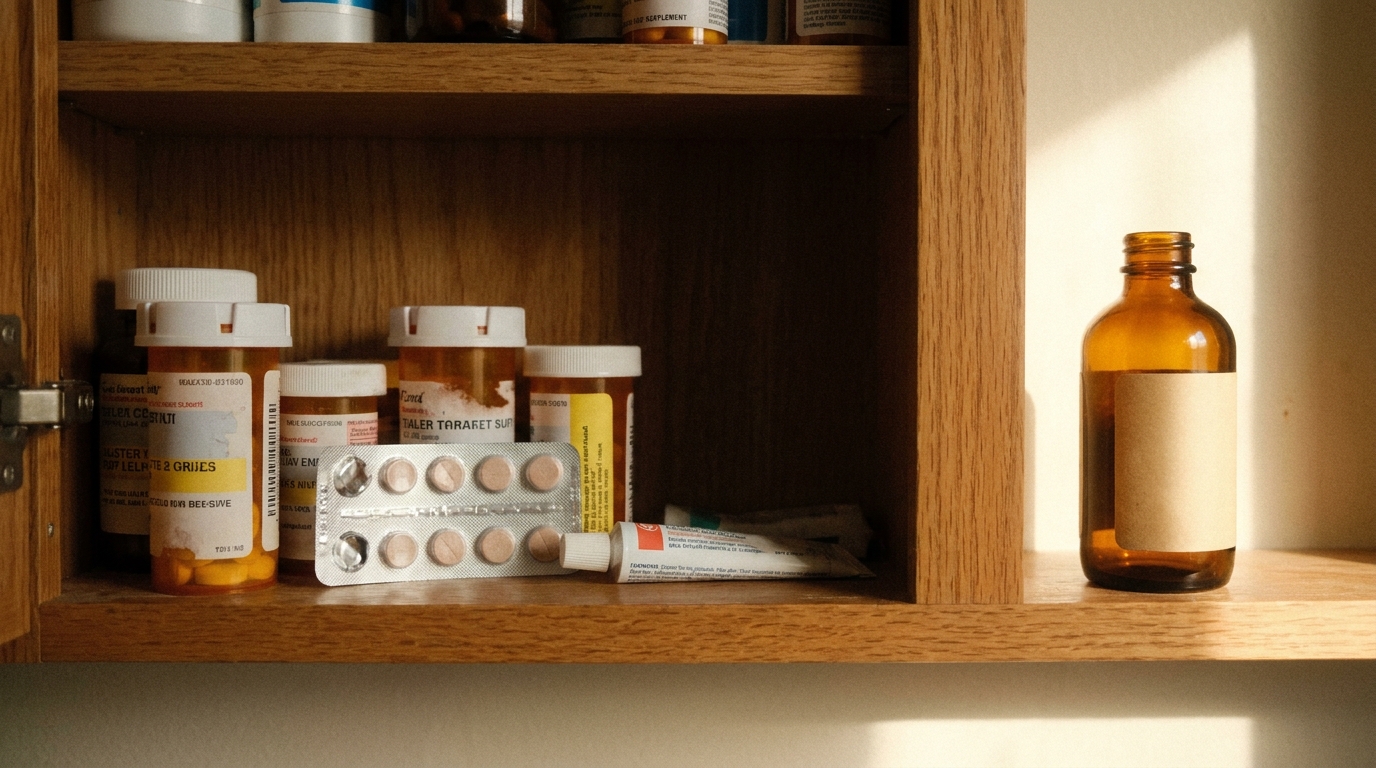
Diane's cabinet looked like most of ours — until she simplified it.
Reason 3: Most Popular Oregano Supplements Are Missing the Two Things That Matter
This is the finding that genuinely surprised me. When I systematically went through the labels of the best-selling oil of oregano products on the market, I noticed something almost all of them had in common: they were quietly skipping the two things that actually determine whether the product works.
The first is verified, high-carvacrol potency. Carvacrol is the active compound in oregano oil that the research actually points to. Most cheap oregano oils don't disclose their carvacrol level at all — because it's low. A label can shout "6,000 mg oregano" while delivering a fraction of the active compound that matters.
The second is Black Seed Oil (with thymoquinone) — a botanical with its own deep research history, working through a completely different pathway than oregano. Pair the two and you cover far more ground than either alone. Yet you'll search the popular oregano-only brands in vain for it.
Why? Cost. A brand can save a few dollars per bottle by under-dosing the carvacrol and leaving out black seed oil entirely — and most people will never know. But for the person taking it, the difference is enormous. In my own practice, once I started recommending a formula that got both right, the response rate jumped from about 30% to over 70%.
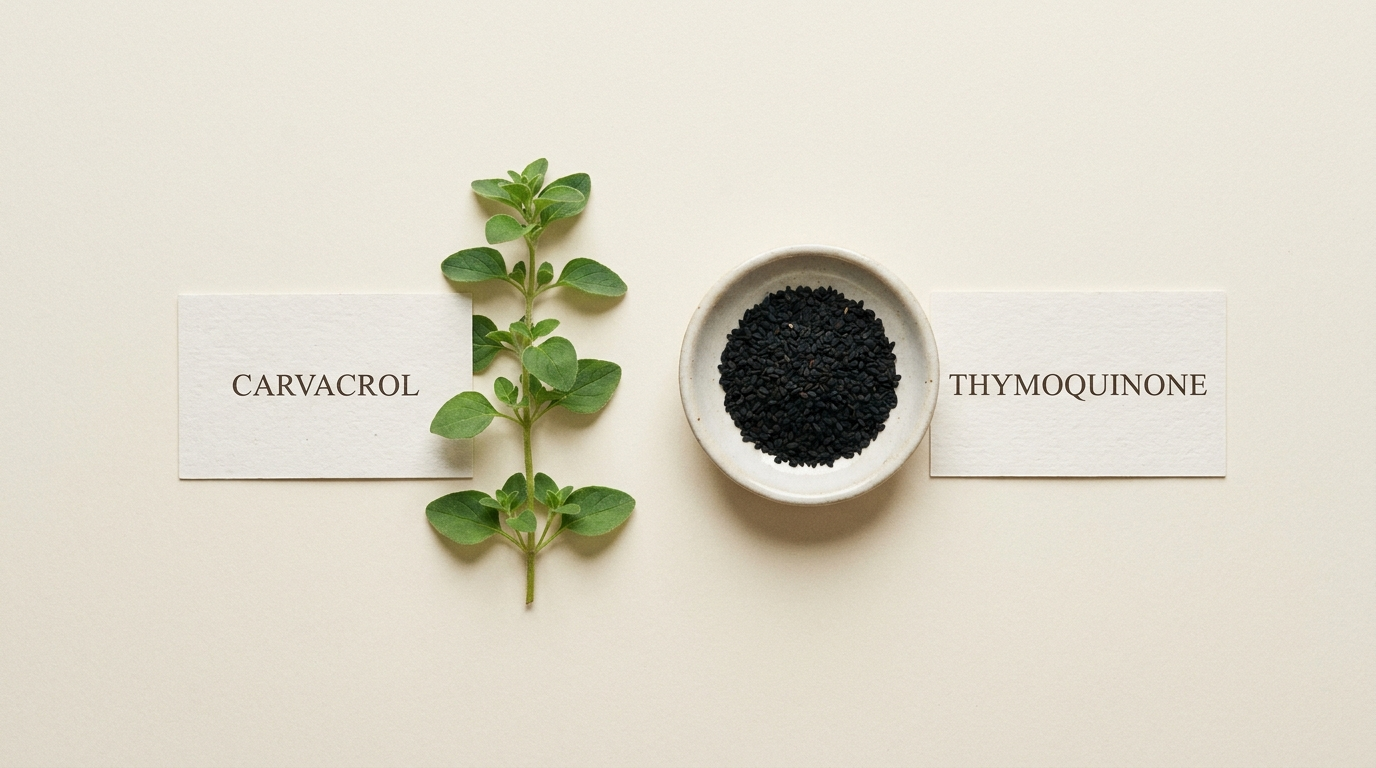
The two compounds most oregano labels quietly skip.
Reason 4: Your Body Hides the Early Warning Signs
Humans are surprisingly good at normalizing decline. By the time you think of yourself as "someone who always gets sick" or "someone with a sensitive stomach," the underlying imbalance has usually been building for a long time.
The good news is there are subtler, earlier signals — and once you know what to look for, you'll start noticing them. Here are the eight I consider most reliable:
- You catch every bug that goes around.And it knocks you down longer than it used to.
- Bloating or heaviness after meals.Especially when it's become "just normal."
- Afternoon energy crashes.The 3–4pm wall that coffee no longer fixes.
- Slow recovery.Cuts, colds, and workouts take longer to bounce back from.
- Brain fog.A subtle loss of sharpness that often tracks with gut health.
- Frequent reliance on antacids or OTC meds.A quiet sign you're managing symptoms, not causes.
- Skin flare-ups.The gut-skin connection is real and often overlooked.
- Mood dips and poor sleep.Both are tied more tightly to gut health than most people realize.

The early signals most of us learn to ignore.
If you recognize three or more of these, your immune and gut resilience is already slipping — and support shouldn't wait.
Reason 5: The Window to Get Ahead of It Is Smaller Than You Think
This is the single most important thing I want every reader to understand. The best time to start supporting your immune and gut resilience was a few years ago. The second-best time is today.
For most adults, the difference between getting ahead of this in your 40s versus waiting until your 60s is the difference between aging like someone a decade younger and spending every winter run-down, every meal uncomfortable, and every year a little less resilient.
The window is between the first subtle signs and the point where it's a daily problem. Once you're catching every bug and reaching for antacids after dinner, you've already missed the easy intervention point. Acting earlier is dramatically more effective than reacting later.

The Quiet Cost of Doing Nothing
When Diane added up what the "do nothing different" path had actually cost her over a single year, it stopped her cold:
One year. One run-down immune system.
- $35/month on supplements that did nothing$420
- Two urgent-care copays for colds that lingered$360
- A year of OTC cold, flu & antacid products$240
- Two rounds of antibiotics (and the gut damage after)$180
- Four sick days she couldn't get backpriceless
…and Diane still felt run-down going into the next winter.
And that's every year. The "do nothing" path isn't free — it's just billed quietly, a little at a time.
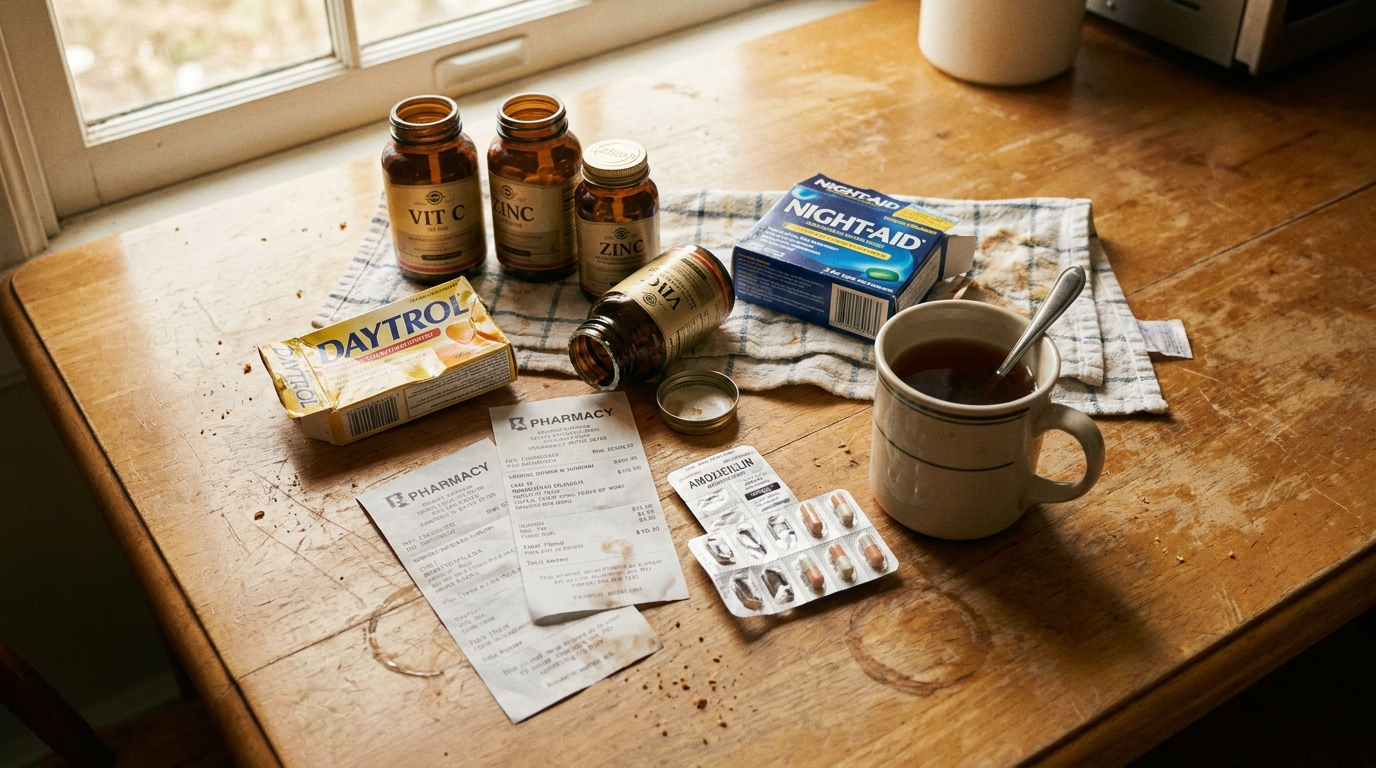
A year of "managing it" — itemized.
What I Now Recommend to My Patients
After Diane's case last spring, I spent six months evaluating every oil-of-oregano formula I could get my hands on. I read every label. I cross-referenced the carvacrol claims and the dosing against the research. I looked for the two things almost everyone skips.
Most failed the basic test: low or undisclosed carvacrol, oregano-only with no black seed oil, and a harsh liquid form people quietly quit because of the taste and the burping. That's the dirty little secret of the category.
The one I now actively recommend got all three right. I'll let a colleague say it:
"I spent years telling patients to 'just take some oregano oil.' I never stopped to ask whether what they were buying was actually potent — or whether they'd keep taking it. The form matters as much as the formula."— Dr. Michael Torres, MD

The Formula I Switched To: Wellora Oil of Oregano + Black Seed Oil
It was the only one that got the fundamentals right — the right compounds, at meaningful potency, in a form people will actually keep taking.
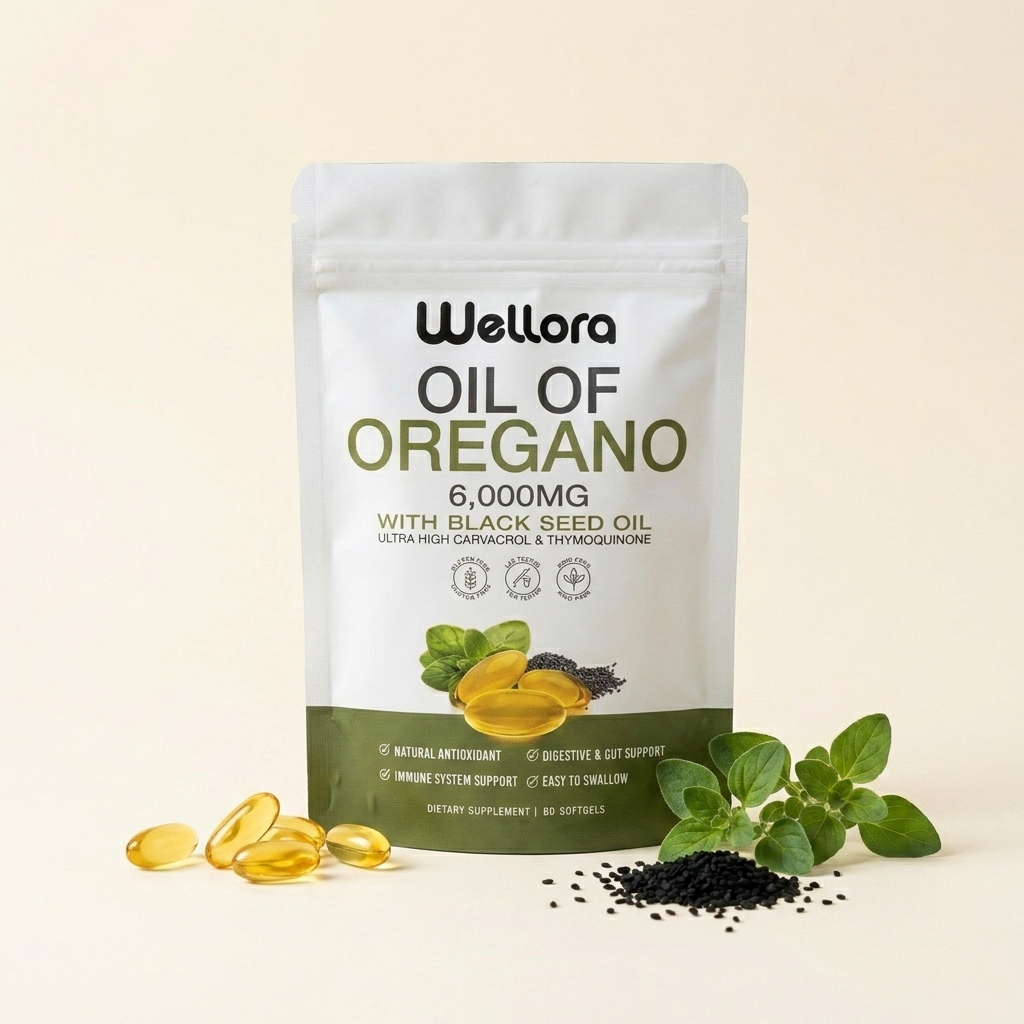
Wellora — what's inside (per daily serving)
- Oil of Oregano — 6,000 mg equivalent
- Standardized High-Carvacrol Oregano Extract (the potency most brands hide)
- Cold-Pressed Black Seed Oil — 200 mg, with Thymoquinone (the ingredient most oregano brands skip)
- Delivered in a tasteless, easy-to-swallow softgel — no burning drops, no aftertaste, no burping
- Third-party lab tested · Made in the USA · No fillers
Note the two ingredients in bold. Those are the two most oregano brands get wrong — and the reason the other 30%-response formulas keep failing.
See Why Dr. Bennett Switched →Free shipping over $50 · 30-Day Money-Back Guarantee · Cancel anytime
Diane's 6 Weeks — What We Actually Tracked
With her permission, I documented Diane's first six weeks on the formula. Here's what we saw.
Week 1. No dramatic change — expected. Immune and gut support is cumulative, not instant.
Week 2. She noticed she felt "less heavy" after dinner and was sleeping more soundly.
Week 3. First clear sign: a cold went through her office and for the first winter in years, she didn't get knocked flat by it.
Week 4. The afternoon energy crash she'd accepted as normal had noticeably softened.
Week 5. She stopped reaching for antacids after meals — something she'd done daily for two years.
Week 6. "I feel like myself again." Steadier energy, calmer digestion, and — her words — "I'm not bracing for every sniffle anymore."
I've now seen this same arc — the same 4-to-6-week window — in over 60 of my patients since I started recommending it.

Diane's notes — kept week by week.
Real People · Real Results

"First winter in years I didn't get knocked down by every bug going around the office. I don't dread cold season the way I used to."

"The bloating after lunch was just my normal. Three weeks in, that heavy feeling was basically gone — and my energy in the afternoon came back."

"I'd taken antacids almost every night for two years. I haven't reached for them in a month. I almost can't believe it."

"I'd tried oregano oil drops before and quit — the taste and the burping were awful. The softgel changed everything. No taste, no burn, and I actually remember to take it."
Frequently Asked Questions
Most people report the first changes between weeks 3 and 6. Immune and gut support is cumulative — daily consistency matters far more than mega-dosing.†
Generally yes, but always confirm with your own doctor — especially if you take blood thinners, blood-pressure medication, or have a known condition. Oregano and black seed oil can interact with some prescriptions.
No — that's the point. It's a tasteless, easy-to-swallow softgel, gentle on the stomach. No burning, no aftertaste, no oregano "repeat."
Because Wellora put its budget into the formula instead of marketing — verified carvacrol and real black seed oil cost more, so the big shelf brands skip them. It's formulation-first, not ad-budget-first.
My Final Thoughts After Six Months
I've been a physician for 15 years. I don't endorse products lightly, and I have no financial relationship with this company. What I do have is a practice full of patients who'd spent years and hundreds of dollars feeling run-down — and case notes documenting people improving on this specific formula when they'd failed to improve on everything else.
I'm not a marketer. I believe in outcomes that repeat. And what I've seen over the past six months is the most consistent improvement in everyday immune and gut resilience I've witnessed in my career.
"I know what you're thinking — 'I've tried supplements before, and they didn't work.' That was Diane's exact sentence to me. The difference isn't the type of supplement. It's the formulation — and whether you'll actually keep taking it."
Don't spend another winter the long, expensive way. The window is smaller than you think. Start with the one that works.

Last Chance — Founding Member Pricing
Wellora is currently offering Founding Member pricing for new readers: 25% off Subscribe & Save, plus free shipping over $50, plus a 30-Day Money-Back Guarantee. If you've read this far and you recognize the early signs — this is the time to act.
Try Wellora — Subscribe & Save 25% →Free shipping over $50 · 30-Day Money-Back · Cancel anytime
† These statements have not been evaluated by the Food and Drug Administration. This product is not intended to diagnose, treat, cure, or prevent any disease. Individual results may vary.